

Learn how to create a daily rhythm to get organized, ease transitions, increase productivity, keep your household, business, or classroom running smoothly, make time for self-care, help everyone thrive, and create the freedom to do what you love with a daily rhythm!
A daily or weekly rhythm is a routine that you follow each day with a natural ebb and flow that creates a sturdy yet flexible framework for your tasks. Creating and following a daily rhythm throughout the week is a personal and professional productivity tool that can help you accomplish daily tasks and increase your perceived quality of life.
Putting these solid routines into your daily schedule makes it possible to meet goals while still having time for YOU. Learn how to create and follow a daily rhythm to get organized, increase productivity, make time for your dreams and goals, help everyone in the household (or workplace) thrive, create the space and freedom you need to rest and relax, and more.
Plan your day, change your life!
A daily rhythm is a series of habitual routines that help you get through the day with the to-dos checked off. You (and your family or co-workers) likely follow a daily routine that enables you to get things done. Establishing these daily routines can help you flow through the day and quickly check off tasks as you complete each step.
If not, odds are you are desperate to create systems that work, which is why you are here. First published in January 2015, this tutorial on planning your daily and weekly rhythm or routine has been updated and republished to improve the content and keep it current. Click the link to learn more about the many positive benefits of creating daily and weekly household rhythms, or scroll down to learn more about rhythm and get started!

Make Life Easier with a Daily Routine and Weekly Rhythm:
A daily rhythm is a routine that provides a framework for your day, ensuring essential tasks and to-dos are accomplished. Following a daily routine can also help parents, homeschoolers, and educators get through the day without tears.
Having a daily routine in place can also ease transitions and help organize everything and everyone, so your children thrive, and you still have plenty of time for downtime and self-care. Get the FREE planner and scroll down for the step-by-step instructions to create a daily rhythm and weekly routine with a flexible, flowing framework for your daily tasks, errands, and to-dos!
One of the best things you can do to create a peaceful family life as a parent (or caregiver) is to bring the magic of rhythm into your days and nights. In his book Simplicity Parenting, Waldorf educator and author Kim John Payne emphasizes the importance of rhythm in young children’s lives.
“In the tapestry of childhood, what stands out is not the splashy, blow-out trips to Disneyland, but the common threads that run throughout and repeat: the family dinners, nature walks, reading together at bedtime, Saturday morning pancakes.”
Kim John Payne (Simplicity Parenting)
These step-by-step instructions will help you create a daily and weekly routine. A daily routine adds structure and flexibility to your week, helping you flow gracefully through each day so you have more time to be present. Following a weekly rhythm of daily routines, habits, and transitions interspersed with sleep breaks, rest, and meal times also makes it easier to complete the must-dos (and the should-dos) while still having plenty of time to rest and enjoy life.

What is a Daily Rhythm?
A daily rhythm is a routine or flexible time-management approach that guides your daily activities and tasks. In its most basic form, rhythm is a pattern of repeating elements, such as sound, movement, lighting, scenery, daily habits, and more, that create a sense of order and structure. Tempo refers to the speed and pace of these elements, which can affect the intensity and dynamics of the structure they support, whether in a musical performance or in the rhythm of your day.
In music, rhythm is the framework that organizes notes into a harmonious whole. Rhythm is also one of the twelve universal laws (learn more about them HERE), the natural ebb and flow that keeps our hearts beating, our breath moving in and out, the sun rising and setting, and the seasons changing year after year. It is an essential aspect of the invisible life force, known by many names: Prana, Nwyfre, Chi, Qi, The Force, etc.
We can harness its power to help us manage our to-do lists, build healthy habits, achieve goals, care for and educate children, and create free time and the freedom to breathe and be present. Because an individual’s daily rhythm is often influenced by their body’s circadian rhythm, disruptions to this rhythm, such as irregular sleep patterns or shift work, can affect health, mood, and daily functioning.
What is a Weekly rhythm?
A weekly rhythm is a series of daily routines that provides a sturdy framework to follow throughout the week. Implementing rhythmic activities, habits, and routines that are repeated at the same time each day or on the same day of the week can help you better regulate sleep, wakefulness, and various physiological functions, increase productivity, and improve quality of life.
Building daily and weekly routines with a robust rhythm also ensures we don’t waste our time or engage in actions of no value. The main idea is to create systems that turn your most important tasks into daily and weekly habits, so you don’t succumb to analysis paralysis or have to think about how to accomplish them.
Following a solid daily routine and weekly rhythm can increase productivity, help children and adults thrive, and free up space in your schedule for what matters most. Maintaining a consistent daily rhythm can contribute to better sleep, increased energy, and overall well-being. Click the link to learn more about the power of routine in the home.
What is the difference between a Rhythm and a schedule?
A schedule outlines a detailed plan with specific times and dates for tasks, activities, or events. It helps organize and prioritize activities to ensure they are completed efficiently and on time, while giving everyone plenty of time to rest and sleep. Schedules also provide a structured framework for managing one’s time and responsibilities throughout the day, week, or year.
A daily rhythm, in contrast, is fluid and accommodates spontaneous activities while maintaining an overall structure for our daily routines. It balances predictability and adaptability while creating a consistent framework that guides our day without rigidly dictating every moment, so we have plenty of time to finish tasks and focus on what matters most.
In other words, following a daily rhythm is a structured approach that allows us to adhere to a general sequence of activities—such as meal times, work periods, and relaxation—while accommodating unexpected events or personal preferences. It’s a blend of routine and flexibility that helps us manage our time effectively while embracing the natural ebb and flow of our lives, completing to-dos while creating enough space to rest and be present.
Avoid Wasting Time, Procrastination, and Analysis Paralysis with Solid Daily Routines and a Weekly Rhythm:
Establishing solid daily rhythms and routines is essential to avoiding time waste, procrastination, and analysis paralysis. A consistent daily rhythm helps keep us on track to meet goals and project timelines while streamlining decision-making and reducing the mental clutter that leads to procrastination. Use the steps below to create a daily rhythm with habits and routines that prioritize your most important tasks and allocate specific time blocks for focused work.
Breaking down larger projects into manageable tasks and setting clear deadlines also helps prevent analysis paralysis. When an individual or group becomes overwhelmed by the options available, collects data, or gets stuck weighing potential outcomes, they cannot decide or take action. It often occurs when too much information, too many choices, or excessive focus on avoiding mistakes leads to inaction.

Characteristics of analysis paralysis include:
- Overthinking: When a person becomes overwhelmed by decisions and excessive pondering of every possible outcome or detail.
- Fear of Making Mistakes: Concern about making the wrong choice or facing negative consequences based on the choice made.
- Procrastination: Delaying decisions or actions due to the challenges of making a definitive choice.
- Indecisiveness: The struggle to commit to a course of action.
Analysis paralysis can impact personal decisions, professional projects, and group or family dynamics, leading to delays, missed opportunities, and frustration. Fortunately, analysis paralysis is easily remedied by setting deadlines, creating SMART goals, and following a robust daily routine and weekly rhythm.
Incorporating these simple time management techniques can help maintain productivity and prevent overthinking. Sticking to a routine that includes plenty of sleep, focused work periods, regular breaks, meals, and ample time to play and enjoy life can enhance well-being and lead to more productive and fulfilling days. You might also enjoy How to Set Positive Affirmations to Achieve Goals.
Daily Routines, Rhythms, Time Blocking, and Schedules:
Another term sometimes used for creating a daily routine or rhythm is time blocking. Time blocking is a time management system that divides the day into blocks or portions dedicated to specific actions, like a daily rhythm. Following a daily rhythm and time-blocking are similar to following a schedule. However, they create simple daily and weekly systems that are, in theory and practice, more flexible and open to change.
Because modern life does not fit into a cookie-cutter mold, rigid schedules eventually break down and become ineffective. In contrast, a daily routine is a flexible form of time management that allows for change, where a minute-by-minute schedule falls short. When you create a flexible system with blocks of time dedicated to everything you need to do, good habits become a way of life, and goals become successful outcomes.
A powerful daily routine can also create space for self-care and the freedom to do what you have always dreamed of, even if it’s just a little old-fashioned R&R (Rest and Relaxation). Following a daily routine or rhythm helps you stay focused and get things done so you have plenty of time to relax. Increase the “peace” at home and help everyone thrive with the power of rhythm and routine! Get your free printable planner today!
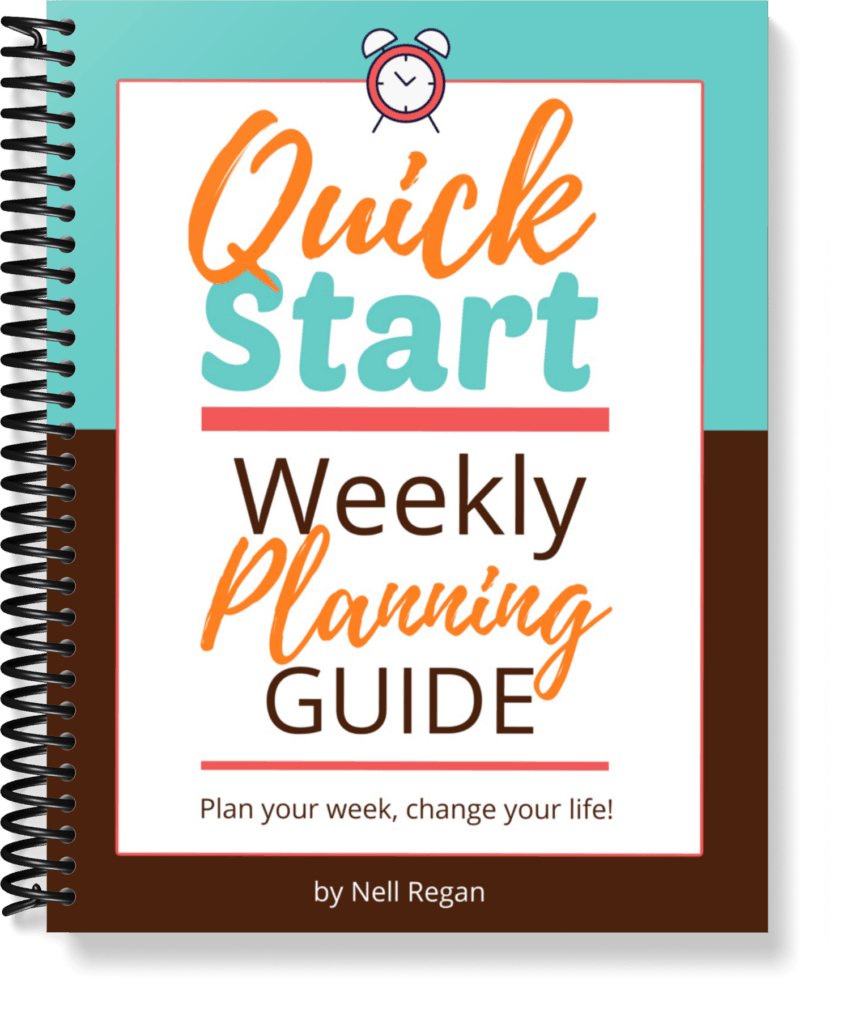
Ready to put the to-do list on autopilot?
Learn how to create rhythms and routines that keep everything in order and help the whole family THRIVE. Opt-in below, and we’ll send the QuickStart Guide straight to your email inbox!
How to Plan Your Daily Routine or Rhythm:
Use the step-by-step instructions below to establish a daily rhythm and plan your routine. An effective daily routine will ease transitions, get you organized, increase productivity, and keep your household, business, or classroom running smoothly, and still have time for self-care. Ready to get started? Get a piece of paper, open a new document, or grab your FREE daily and weekly planner HERE–> Quick Start Weekly Rhythm Planning Guide!
Get the FREE Quick Start Daily and Weekly Planning Guides:
Create routines, systems, and rhythms for success with our FREE planner, use another planner, or make your own. Sign up for the Rhythms of Play newsletter (if you haven’t already) to access the QuickStart Weekly Planning Guide.
The free guide includes free printable daily and weekly planners, along with a step-by-step roadmap to help you plan your daily and weekly rhythm or routine. Once you have a copy, try the following suggestions:
- Use a copy machine to make copies.
- Or you can try dry-erase pockets.
- Alternatively, you can use heavyweight sheet protectors.
- You can also use laminating sheets and a laminator to reuse the FREE weekly planner with wet-erase markers.
- I prefer wet-erase markers to dry-erase markers because they don’t rub off as you write and are just as easy to clean with a cloth and a little water.
1. Write Everything Down: Make a List or do a Brain Dump:
- List your daily recurring activities, including chores, mealtimes, rest times, and bedtime.
- Use the Brain Dump Printable template provided in the FREE QuickStart Weekly Planner, or write a list on a blank sheet of paper of everything you currently do or would like to incorporate into your daily rhythm and weekly routine, including your current daily routine.
- Get everything dancing around in your head written down. This list can include: Current systems, including morning time, afternoon, evening, and bedtime routines; and daily chores such as:
- Morning chores, errands, and maintenance projects.
- Afternoon chores, errands, and maintenance projects.
- Evening chores, errands, and maintenance projects.
- Weekly chores, errands, and maintenance projects.
- Monthly chores, errands, and maintenance projects.
- Seasonal chores, errands, and maintenance projects.
- Yearly chores, errands, and maintenance projects.
- Stand-alone and regularly occurring appointments, meetings, classes, or events.
- Time for work and play.
- Even adults need plenty of playtime and time for free play!
- Fitness, health, and wellness activities.
- Your schedule should also include time for running errands, such as going to the store, the mailbox, or the bank; picking up laundry or dry cleaning; and dropping off or picking up the kids.
- Space to complete goals, projects, and to-dos.
- Family activities.
- Self-care activities.
- And anything else you need or want to fit into your life!
2. Establish Anchors or Main Points of Your Daily Rhythm or Routine:
- Establish the anchor points or main anchors for your day. These main points can be:
- Mealtimes: Breakfast, lunch, and dinner.
- The start and completion of your workday.
- Before work, after work, and after dinner time, etc.
- Nap times for small children.
- Before school, after school, and after the children go to bed
- The idea is to use the anchor points of your day to complete habit stacks.
- Several actions or habits are combined into a single string.
- In other words, these anchors break up your day into systematic parts around which you plan “to-do” everything.
- For example, many people divide their day into blocks of time, broken by breakfast, lunch, and dinner.
- In contrast, others prefer to break their day into blocks before or after school or work, or during or after school or work.
- The Quick Start Weekly Planning Guide includes a FREE Daily Rhythm Planner, a Weekly Rhythm Planner, and our Weekly Planning Roadmap.
- The printable weekly planner has shaded spaces intermixed within each day.
- Write in the anchor or transition points you prefer to use daily in the corresponding spaces provided.
- Follow the Roadmap in the QuickStart Planning Guide to make it easy!
- If you use our FREE weekly rhythm planner and prefer breakfast, lunch, and dinner as your daily anchors, you can also use the free weekly planner as a meal planner.
- Write the meals you want to prepare in the corresponding spaces.
- The printable weekly planner has shaded spaces intermixed within each day.
3. Write Down Daily and Weekly Routines and Weekly Rhythm:
- Use the FREE planner to create systems for success.
- Start by writing down your basic daily rhythm and weekly routine:
- Creating a daily rhythm is similar to time blocking, with the addition of regular transition points that anchor positive habits, give the day structure, and help it flow.
- Avoid adding exact times for entries or to-dos when creating your daily rhythm.
- Use transitions as triggers to signal a string of tasks or a stack of habits to complete:
- Assign the spaces before and after the anchor points in your day to complete specific tasks (i.e., chores, errands, work, exercise, habit stacks).
- The main idea is to repeat as many daily and weekly tasks as possible (excluding singular appointments and events) and to allow the routines you complete each day or week to become your daily and weekly rhythm.
- Several other elements must be considered when planning your daily and weekly rhythm and routine:
- Each person in the household’s daily routine and the family rhythm,
- The rhythm of the day versus night,
- Changes from day to day, week to week, month to month, season to season, and year to year.
- The passing rhythm of the seasons changes as you move through the year’s rhythm.
- Look through the remaining tips for establishing a rhythm and things to consider when planning your daily rhythm to clarify your plan:
Tips for establishing a rhythm:
- Set goals:
- First, click the links to learn how to set SMART goals.
- Next, make an action plan to accomplish them.
- Write specific, measurable, and achievable goals and break them down into manageable steps.
- Eliminate distractions:
- Avoid distractions like social media and email notifications that distract you from your routine.
- Prioritize self-care:
- Make time for exercise, healthy eating, and relaxation.
- Be open to change:
- Routines can help you find a sense of pace and familiarity in your daily rhythm, but it’s also important to be open to change.
Other Elements to Consider When Planning Your Daily Rhythm:
- Sleep-Wake Cycle: Periods of sleep and wakefulness in a 24-hour period should align with the natural light-dark cycle, unless your work schedule requires you to be out of alignment with this ideal.
- Meal Times: Regular eating patterns can help regulate metabolism and energy levels throughout the day.
- Recurring Daily Actions, Chores, and Habits: The time you need to be at work each day, go to lunch, or complete other chores and habits that repeat daily or weekly.
- Stand-Alone Appointments and Events: A stand-alone appointment or event is a singular, self-contained occurrence with a specific purpose, time, and location, such as an irregular meeting, a dentist appointment, a birthday party, or a wedding.
- Weekends and Holidays: Weekends and holiday celebrations often differ from weekday rhythms. Various activities and celebrations are frequently planned these days, so they don’t usually follow the same rhythm as weekdays. However, they can and often have holiday or weekend rhythms associated with them, and you can enjoy fun traditions on weekends and holidays, such as Easter, Thanksgiving, and Christmas, to make them more meaningful, entertaining, and enjoyable.
- Activity Levels: Many people have times of day when they are more productive or energetic, which can influence their engagement in work, exercise, or other activities.
- Hormone Release: Hormones such as cortisol and melatonin follow a daily rhythm, influencing alertness, mood, and overall health.
- Body Temperature: Your core body temperature varies throughout the day, typically lower in the morning and higher in the late afternoon and evening.
4. Create the “Right Rhythm” to Balance Your Daily Routine:
- Rudolf Steiner, the founder of Waldorf education, spoke of rhythm as flowing with the breath. He said that the “right rhythm” is a balanced combination of activities in which we breathe in (inhale) and breathe out (exhale).
- Inhaling immerses us in internal, or “being,” activities, while we primarily engage in external, or “doing,” activities when we exhale.
- Create a daily rhythm or routine that flows with the breath; inhale to be at rest or at peace, and exhale to do or get things done.

Flowing with the “right rhythm”
As a yoga instructor, Rudolf Steiner’s theory of using the breath to move through the daily to-do list always made perfect sense to me. Creating a daily routine that flows with our breath as we transition from task to task, like we move our physical bodies with the breath to flow through each posture in a yoga asana class, is pure genius. In other words, inhale to BE and exhale to DO.
Rudolf Steiner’s Theory of “Right Rhythm”
A daily rhythm becomes balanced or “right” when we follow periods of expansion—breathing out when we relate to the external world, with periods of contraction—breathing in—when we refer to the inner world or ourselves. To create balance, you must make space in your daily rhythm for both extremes: out-breath and in-breath activities.
Related: 10 Reasons to Make Rhythm a Habit
Why do you need to balance your daily routine?
Spending too much time at either extreme can cause you to become unbalanced. When you become unbalanced, you take the risk of suffering from either condition. In other words, spend equal time being and doing while also allowing the mind, body, and emotions enough time to rest and turn off to sleep.
For example, if you spend too much time resting (inhaling), inertia is likely to take over, eventually leaving you too lazy to do anything. Before you know it, you will be stuck on the couch another day. Conversely, when we spend too much time doing (exhaling) and checking off to-dos, we can feel anxious, stressed, and overworked. This extreme will eventually lead to burnout, and once again, you will find yourself stuck on the couch, unable to do anything. So, spending too much time at either extreme will eventually render anyone useless!
Related: How to Create an Action Plan to Achieve Goals
How to create a balanced Daily Rhythm or Routine:
- When you create your daily routine and weekly rhythm, it’s best to alternate between activities or tasks that focus on “being” and “doing.”
- In other words, follow expansive or energetic out-breath activities with relaxing in-breath activities, and in contrast, support these quiet periods of your day by doing and accomplishing (busyness) before or after these more restful moments.
- If you ever find yourself doing too much (breathing out) or too little (breathing in) for several days or weeks on end, ensure you spend the same number of days or weeks resting to counter the effects of that imbalance.
How does following the “right rhythm” help?
Implementing the “right rhythm” can make life easier and better, and it has several other benefits. Creating a “right rhythm” lets you harness the power of habit to change your life, even when it feels like you’re living in a cloud of chaotic activity.
When you perform active (high-energy) or passive (low-energy) repetitive activities at roughly the same time each day, your body, mind, and spirit will be prepared for the task at hand. Whether you are going for a dog walk, doing chores, running errands, having lunch, meeting with an important client, or going to bed for the night, your body, mind, and spirit will be ready to meet the needs of that task.
There is no need to alter being and doing with every tiny step you take. The idea is not to spend too much time at either extreme. Make sure your day flows between “being” and “doing” by alternating relaxing self-nurturing activities such as meditation, yoga, arts and crafts, eating, and spending time in nature, with external (high-energy) activities such as working out or competing to-dos, such as tasks, errands, and chores.
Over time, creating systems with the “right rhythm” can help you develop good habits and a powerful daily routine by preparing your mind and body for the tasks you have planned for each moment of your day. This is how you create the life of your dreams—one habit, system, or goal at a time.

Finding Rhythm in Routine:
Think of a rhythm as a flowing series of routines and tasks combined into a harmonious whole. The primary goal is to turn everything you do daily and weekly into a habit you no longer need to plan or think about executing. Allow your day to unfold around it, and let your daily rhythm carry you effortlessly from task to task.
Creating a daily rhythm and weekly routine is similar to establishing a new habit. The only difference is that it’s a long daily or weekly habit. Take your time and do your best not to get discouraged. It takes time and effort to create and establish habits. Once your most important daily systems and routines become a habit, they will support you even on the most challenging days. You may not know what to do next, but your rhythm will.
Go With the Flow:
Just stay calm and go with the flow. Becoming efficient at completing daily and weekly goals is much easier after you recover from analysis paralysis and no longer need to think about what to do next. This simple task can free up the space needed to fit the things you have only dreamed of into your schedule — like that extra two hours of sleep. You’ll know you have found your groove when you find a steady rhythm that lets you move smoothly through your day without looking ahead or thinking about your next activity. This is true freedom!
What is a Waldorf Daily Rhythm?
A Waldorf daily rhythm is a routine a Waldorf teacher or homeschooling parent might use to flow through the elements of a Steiner or Waldorf education in a rhythmic weekly pattern. Establish a Waldorf daily rhythm for each day of the week in your home, daycare, or classroom to educate your children, ease transitions, feed the kids, get the chores done, help working papas and mamas find time to connect with their family, and still have time for self-care!
Daily Routines, Rhythms, Tasks, and Habits:
Designing daily routines and weekly rhythms turns simple daily activities and essential tasks into a stack of habits to increase productivity. Well-established anchor points and the repetition of weekday and weekend rhythms at a particular time each day bring a sense of security and comfort to our lives. Creating reliable systems, such as a morning rhythm and a bedtime routine, and following them daily also ensures we don’t waste time or engage in actions of no value. Once established, you can continue to use your daily rhythm as the framework that carries you through your day, effortlessly flowing from task to task.
Daily Rhythm Cards; Visual Routine Cards for Kids:
Visual Routine Cards are an excellent tool for assisting children with their ‘daily rhythm’ and the ‘family daily rhythm.’ Daily rhythm cards help give children a sense of control and consistency in their lives without stifling creativity or spontaneity. For example, these visual cues make it easy for children to see what they need to do when they wake in the early morning, helping them follow their morning rhythm. Visual rhythm cards also help children know when to eat lunch or what to do later in the afternoon.
Following a consistent routine at home throughout the year offers many benefits, including increased happiness and well-being. Below is an example of a daily routine you can follow if you have young children—our Waldorf daily rhythm! Learn more about the benefits of rhythm and how to combine daily systems and weekly rhythms into a harmonious whole in family rhythms and routines.
One can ascend to a higher development only by bringing rhythm and repetition into one’s life. Rhythm holds sway in all nature.
~Rudolf Steiner
Daily Routine Example:
I don’t follow this exact daily routine, minute by minute, every single day. There are several rhythmic practices we do daily and weekly during the school year in our Waldorf homeschool, such as singing and saying our morning blessing, which are not included in the outline below. I also left the play, learn, or move rhythm segments open to interpretation so you can create an appropriate daily rhythm for the age group of children in your care. Of course, the times can be adjusted as needed (older kids need more learning or school time than younger children do). The order of activities and approximate times can be adjusted to fit your daily homeschool rhythm.
Rhythm of the Week:
There are many variants in our day-to-day Waldorf homeschooling routines and household rhythms. Each weekday consists of a predictable series of activities, meals, and rest periods as we flow through the week’s rhythm. In other words, this generally follows as we flow from task to task. For example, our main lesson follows circle time, which begins with an opening verse. Lunch and outdoor movement time follow our main lesson. Of course, some days flow more smoothly than others. Life isn’t always filled with butterflies and rainbows! But following a Waldorf daily rhythm can help smooth out days as the seasons pass.
Update: Since our daughter has formally entered school as a Waldorf student in our home (a style of education we highly recommend), our daily homeschool rhythm has changed and continues to do so as we move in rhythm with the current of our daily life as she goes from grade to grade. The only thing you can count on in life is change. Continuing to flow within the mutable structure of our daily and weekly rhythms has helped me maintain my sanity. I don’t know what my family would do without our daily rhythm!
The Rhythm of Day (Homeschool Day or Rhythm):
I used a daily routine similar to the one shown in the photo below when my husband and I ran a home daycare and homeschooled our daughter during her preschool years. Since then, we have slightly updated the graphic image below and our daily homeschool schedule. The daily rhythm shown in the photograph is terrific for households with toddlers, preschoolers, and kindergarteners running around, or for homeschoolers with children of all ages.
The photograph below shows an example of a Waldorf daily rhythm you can follow. Working with rhythm and routine makes it easy to shift the times and elements of your day to accommodate seasonal changes and daily variations. Sometimes, things come up, and you need to change your plan. Following a daily routine makes it easy.
I added times to the homeschool rhythm below to give you a general daily routine you can follow. Please use anchor points in your rhythm to mark transitions in your daily routine, rather than exact times when you create your daily homeschool rhythm. (The QuickStart Guide makes this easy!) Remember, a daily rhythm is flexible; make changes as needed and make it flow with the following suggestions. Exchange this with that, or move this from here to there, or that from here to there, and you’ll be ready to go!
Our Daily Rhythm:
Remember, the photo below shares one example of a Waldorf daily rhythm or homeschool day. Plan your day, week, and life to reflect your personality, family needs, core values, dreams, and personal and professional goals. You might also enjoy reading about the benefits of adding the Waldorf Color of the Day to your daily rhythm. I hope you enjoy planning and executing your daily rhythm. Go with the flow, keep it fun, and make it meaningful. Enjoy!

Times are included to give you a general daily rhythm you can use. Please use anchor points in your rhythm to mark transitions in your daily routine, rather than exact times when you create your daily homeschool rhythm. Remember, a daily rhythm is flexible; make changes as needed and help your day flow with the following suggestions.
Daily Rhythm Ideas for Kids and Families:
On Rhythms of Play, you can find several fun ways to make life more meaningful and fun as you travel through the day. It’s one of the primary reasons we exist! We even have a printable planner for families called the Family Systems Toolbox. It includes our most popular printable planners and more for teachers, parents, and kids, under the Home and School Tools label.
It also consists of a collection of Visual Routine Cards you can use to help children find their rhythm. The printables included in these valuable digital resources are designed to help parents and caregivers support children from toddlers to teens in developing the life skills and habits they need to manage daily life. Here are a few of our favorite daily activities, nature study ideas, family recipes, and book recommendations for story time and reading are listed below to get you started with a few ideas to fill your daily rhythm:
- Kids Yoga: Tips on Getting Started and Free Videos.
- How to make gluten-free Apple Pie Oatmeal the whole family will love!
- Raising Helpers, 15 Ways to Raise a Helper, and Tools for children to help around the house, yard, and garden.
- Forest School: Outdoor Learning Ideas and Nature Study Activities.
- Art and Craft Ideas (for kids and adults of all ages).
- Books That Teach Kids Important Life Lessons.
- Fairy Tales and How They Benefit Development.
How To Plan Your Daily Routine and Weekly Rhythm:
Creating daily and weekly routines and household rhythms can help parents, caregivers, and educators get through each day. I encourage you to create freedom within the structure of your day with a daily routine and weekly rhythm that works for you and your family. Establish a daily rhythm or routine in your home (or classroom) to ease transitions, increase productivity, and get organized for good!
Learn More About Rhythms and Routines:
- 10 Reasons to Make Rhythm and Routine a Habit
- Organize Your Life with the Power of Rhythm
- 7 Reasons to Add the Color of the Day to Your Daily Rhythm
- Household Rhythms and Routines
- Visual Routine Cards for Kids
- Home and School Tools for Kids.
Learn more about Nell Regan Kartychok, author of “How to Plan Your Daily Rhythm and Weekly Routine HERE, and Rhythms of Play HERE!
More Information About Using a Waldorf Daily Rhythm and Weekly Routines for Parents and Caregivers:
I learned about the power of rhythm during my psychology studies and my adventures as a nanny, educator, and coach, from seasoned Waldorf educators and in the pages of great parenting books, including those referenced below.
- Favorite Parenting Books for Raising Kids Zero to Five
- Positive Discipline Books for Parents and Educators.
Here’s another excellent Waldorf daily rhythm resource you might enjoy: Daily Rhythm at Home and Its Lifelong Relevance by Helle Heckmann.
If you liked How to Plan Your Daily Rhythm, you may also like:
- How to Set SMART Goals
- How to Raise a Helper
- Books That Teach Kids Important Life Lessons
- Calm Down Sensory Bottles 101
- Fingerprint Art Magnets
- Word of the Year Ideas








I find a routine or rhythm so important. December was a roller coaster for us with some medical concerns, Christmas, and then all of us getting a horrible cold. It threw off that rhythm. As we are getting back into it, I’m noticing it helping my daughter get back to normal napping, better behavior, etc. I just feel more normal and calm when our days flow.
(visiting from the Mom 2 Mom Mondays link up)
I too find rhythm so important in our daily lives. Whenever we fall out of rhythm our life gets so chaotic leaving me feeling overwhelmed and out of control. Challenging events and big changes have the capacity to throw us all off course, but I find that getting back into our rhythm is the best way to pull ourselves together quickly. Thanks for visiting! Come back anytime 🙂
I like creating my own rhythm.
Glad to hear it Betty! Have you found it helpful so far?
Great work.
Thank you! So glad you found this resource useful 🙂
My daughter teaches children Art and handicraft for 3 hours every saturday morning.I assist her and we are constantly looking for craft activities with a difference.Cannot wait to see what you suggest,Yours Patricia Holt
That’s wonderful Patricia! You can find lots of fun ideas under “Arts and crafts” and we have a few others under “DIY.” You can also sign up for my newsletter to receive all the little extras, and get notified when we have new ideas. 😉
hello,
i’m french and teacher.
i love your creations… they inspire me a lot!
Thank you
Thank you so much Santana! So glad you enjoy our creations!
Köszönöm!
Thank You so much!!
You’re welcome, Maya!
I am a single mom of 3 small children. Our weekdays are pretty well scheduled and balanced but our weekends seem to be all over the place. I always feel like a failure because I am trying to be so structured on weekends and it never works our. I actually think instead of structure and schedule I need to be more flexible with how things happen in the weekends. The weekends for us are unpredictable so I think I freak out when the house doesnt get clean Saturday because we have to attend a birthday party and its hard for me to be flexible with doing it Sunday. I think I need more flexibility vs schedule and structure.
Hi Kim, I have had a similar struggle on the weekends for completely different reasons so I get it. I’m a bit confused though… Have you already tried turning your weekends into more of a rhythm and it’s still too structured? Or are you saying that you can’t wait to loosen the reigns a bit with a rhythm instead of schedule?
Cesar Avila Here
Awesome, I was looking for this for ages, Thank you so much
You are welcome, Cesar! I’m so glad that you have finally found what you have been looking for. Creating a strong rhythm has helped us immensely… let me know if you have any questions.
The article is helpful but the ads on this page are excessive and make it overly cluttered and difficult to read.
Hi Diana,
I’m so glad you find the information about creating a weekly rhythm or routine useful. The ads help me keep the information free to readers, but I hear you. It is a bit excessive. I will ask the ad team to dial it down a bit. Thanks for understanding.
Nell